
【Enrico & History】 惊讶!历史课也可以这么上!
2016-11-19 Enrico 胡莹莹

历史课?
一大堆记不住的人名?
比如前苏联的这几位总统:
赫鲁晓夫、戈尔巴乔夫、勃列日涅夫......夫.......夫......


一个个让人抓狂的时间?
子丑寅卯辰巳午未申酉亥戌?
或者1911.10.10?

一堆堆傻傻分不清的条约?
《马关条约》赔款了吗?《辛丑条约》割地了吗?
当然不是!历史不仅仅如此。
那么历史课应该是什么样的?
西外外国语学校国际课程部的英文历史课告诉了我们答案。这是一节实在不走寻常路的历史课,却备受学生喜爱。

作为AP课程的基础课程,英文历史课的重要性不言而喻。但英语的高要求加上历史本身的乏味性,外教Enrico的英文历史课似乎颇具挑战。那么,这样的英文历史课是怎么上的呢?为什么它会备受学生喜爱呢?且听我细细道来。
Discussing More
没错,历史课是枯燥乏味的。千篇一律的历史事件,学生抱怨看着脑袋都大。一堂一堂课,教师在讲台上不停地讲,学生在下面昏昏欲睡。然后课上完了,学生也睡着了。可是历史课真的不应该这样啊!那么怎样让学生注意起来呢?双语国际课程部的外教Enrico有他的一套法子。

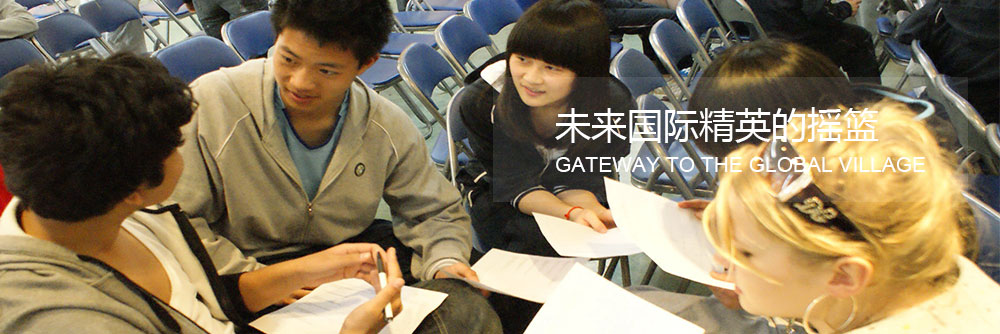
他的英文历史课上常常会出现这样的情景:学生几人一组,热烈地讨论着一些话题。乍一看去,还以为是一场无领导小组会议呢!一堂课下来学生更加兴致勃勃,收获满满。
美国竞选结束,川普大获全胜。啊,我们可以讨论一下嘛!

制度、选举、文化、影响,角度多样,学生乐此不疲!还记得那一天,英文历史课上学生纷纷观看竞选直播,对国际政治问题表现出极大的热忱。外教看到此情景都不禁感叹:“They’re crazy!”哈,的确是一群疯狂的孩子!

 枯燥的历史课很难让学生注意力集中起来,除非这个孩子很爱历史。所以,Enrico愿意通过“discuss”的方式让学生集中注意力,认真地投入到英文历史课的学习中去。
这样做的效果是明显的,因为在讨论中,学生深刻地了解了历史问题,同时也锻炼了口语和思维,也顺便学到了小组合作的意义。真可谓一举多得!
Shocking Question
显然,Enrico是一位激情澎湃、幽默风趣的外教,所以他时不时会出其不意,问学生一些很“特别”的问题,他将这些问题称之为“Shocking question”。例如:由三国之天下大乱,让学生探讨国家统一的艰难和不易。

咦?也许你会觉得奇怪啊,这样的问题难道不应该是中文历史课的问题吗?的确,似乎不经意间,一位外教的一堂课却培养了中国学生的爱国主义。果真“Shocking”!
Enrico的这个“shocking question”可能源于他的个人观念。作为一个在中国工作的美国人,Enrico深刻地感觉到自己对于祖国的那份眷念。他根据自己在中国几年的生活经验,告诉我们的学生:“Students have to know where are they from before they are going to.”不论我们去哪里,都不要忘记自己从何而来。因为,根在这里。
When History Meet literature
千万不要以为Enrico的历史课就只有这些。面对一个不走寻常路的英文历史老师,学生要随时警惕他抛出的一个个惊喜,一个个“措手不及”。
最近,英文历史课的小帆船驶入大西洋,停靠在西班牙这个喜爱斗牛的热情国度。为了更好地了解文艺复兴时期的西班牙,Enrico在讲述西班牙历史的同时,想起了一个更加绝妙的点子:让学生阅读塞万提斯的小说《堂吉诃德》,联系历史进行讨论。

历史和文学?这两者邂逅会产生怎样的化学反应呢?堂吉诃德滑稽的骑士美梦让学生们捧腹大笑,但朗朗笑声中,学生也将当时西班牙的骑士文学和社会背景牢记于心。
我们的历史课从来都是讲干巴巴的历史事件,殊不知,很多文学作品中也清晰明了地反映了一段段的历史。让学生去阅读文学作品,让他们去了解那些历史上更有趣的人和事,难道不能更好的让学生记住历史、提起对历史的兴趣吗?历史纵然是过去的,但它曾经更是鲜活的。这样鲜活的历史,不能只存在于历史课本上冰冷的字母中。不妨让学生多阅读相关的文学作品,还原当时的历史场景,让学生从鲜活的人物和事件中了解历史!

Enrico的历史课,打破了常规的历史课给人的感觉,变得更加生动而有趣。每一个历史人物,每一件历史事件,每一个历史问题,都更加鲜活。历史再也不是空中楼阁,再也不是那“可远观而不可亵玩焉”的“过去”了。因为它就在我们身边,就在我们学生的阅读里、思考里、讨论里。
So,这样的历史课,你能不喜欢吗?

历史课笔记很是关键。关于记笔记,Enrico想要给学生一些建议。
Taking good notes is one of the most basic and vital skills that every student needs to have in order to succeed. Yet many students entering our international program lack this skill when they first arrive. Often new students believe that taking notes means just copying down whatever the teacher writes on the blackboard so they can memorize it later. But this is not real “note-taking,” and it won’t take them very far in a rigorous and challenging international academic environment. One of the things all of our teachers have to impart to students, then, is the ability to take notes that are useful to them – notes that will actually help them understand the material better, and have a more meaningful learning experience.
I tell my History students that they should think of their notebooks as travel journals. When the American explorers Meriwether Lewis and William Clark surveyed the American west in the early nineteenth century, they didn’t just record information. They wrote down their impressions of everything they saw and experienced; they made maps of areas that had never been charted by Europeans or Americans before; they drew detailed sketches of plant and animal life, natural landscapes, and the customs and practices of native peoples. Today, their journals reveal more than just the knowledge they gathered; they also reveal their own attitudes, worldview, and how they perceived and felt about what they saw.
Similarly, I don’t want my students to just jot down words copied from the blackboard or a PowerPoint slide. When I open their notebooks, I want to see more than just information; I want to see mind maps, drawings, comments and side notes scrawled in the margins, even their immediate personal reactions to what they’ve learned: “This is unbelievable!”; “I don’t understand…”; “Very interesting!” I don’t care if their notebooks aren’t neat and tidy; they’re not supposed to be. In a class like mine, the only purpose of a notebook is to help a student grasp what we are learning – and what we are learning is rich, complex, and multilayered. It is up to each individual student to take notes in a way that helps him or her make sense of it all. As I often tell them, “I’m not the one who needs to understand your notes; you are.”
————学生笔记一览————


